
- Key Takeaways
- The Surgeon’s Role
- Finding Your Doctor
- Appointment Preparation
- The Exam Day
- Understanding Costs
- After The Exam
- Conclusion
- Frequently Asked Questions
- What does a civil surgeon do for immigration in Fremont, CA?
- How do I find a qualified civil surgeon in Fremont?
- What documents should I bring to my civil surgeon appointment?
- How long does the immigration medical exam take?
- How much does the civil surgeon exam cost in Fremont?
- Can I get vaccinated at the civil surgeon visit?
- What happens after the civil surgeon completes Form I-693?
Key Takeaways
- Civil surgeons provide USCIS-mandated immigration medical exams and complete Form I-693 to prove applicants meet health and vaccination standards. Always verify the provider is a USCIS-designated civil surgeon before making an appointment.
- Find the best immigration doctor civil surgeon in Fremont, CA with the USCIS civil surgeon locator. Verify credentials and licensing, and cross-check community reviews and referrals. Compare exam fees, clinic hours, and quality.
- Come to your appointment with a government-issued ID and all vaccination records, medical history, medication information, and prior I-693 records. Fill out any clinic pre-visit forms to make the exam process efficient.
- Anticipate a full physical, mandatory lab tests including TB screening, vaccine review and catch-up as necessary, and confirm everything on Form I-693 prior to your civil surgeon signing and sealing it.
- Know up front what you’re paying for by inquiring which services the base fee includes, asking for a price list for additional services or rush processing, and confirming payment methods and whether they accept insurance.
- Post-exam, maintain the sealed I-693 envelope for USCIS, adhere to civil surgeon recommendations for follow-ups, and preserve copies of vaccinations, lab results, and receipts for your immigration documentation.
Best immigration doctor civil surgeon in Fremont, CA is a licensed doctor who conducts USCIS medicals for green card and adjustment of status applicants.
They adhere to federal form I-693 regulations, conduct TB testing, administer CDC-scheduled vaccinations, and record findings on authorized forms.
Many clinics have same-day labs, electronic records, and interpreter support.
Below are the best providers, appointment tips, and cost expectations for applicants.
The Surgeon’s Role
A civil surgeon is the certified doctor who is approved to perform immigration medical examinations inside the United States and it focuses on impartial medical evaluation according to USCIS standards. The surgeon needs to check medical history, conduct a targeted physical exam, verify up-to-date vaccinations, screen for public health concerns, and document everything on the form that dictates eligibility for adjustment of status or naturalization.
USCIS Mandate
Only USCIS‑designated civil surgeons can conduct immigration physicals and fill out Form I-693, a designation that indicates the examiner is versed in the unique needs of immigration medicine. The civil surgeon adheres to the USCIS Policy Manual Civil Surgeon Guidance and the CDC vaccination schedules, which include vaccines for measles, mumps, and rubella (MMR), polio, tetanus, and diphtheria, COVID‑19, hepatitis B, and varicella.
Civil surgeons need to stay vigilant for revisions to the USCIS policy manual and CDC policy directives to ensure they are following the most recent standards, as lists of vaccines and admissibility guidelines evolve. All immigration medical exams need to adhere to official USCIS processes, from identity verification through the final submission of Form I‑693 to avoid delaying an applicant’s case.
Applicant Advocate
Civil surgeons walk applicants through the examination and can answer questions about health requirements, providing concrete steps to close vaccination gaps and satisfy immunization regulations. They request prior vaccine records, clarify what is absent and either provide the necessary vaccinations during the appointment or refer the applicant where to get them with timing in mind for multi‑dose series such as hepatitis B.
Surgeons confirm applicants supply correct medical history and disclose any conditions that may impact admissibility. Accurate reporting expedites processing and reduces the risk of rework. Concrete considerations might involve recording previous MMR vaccinations, scheduling additional doses, and providing guidance on how a past chicken pox infection could be used as a proxy for varicella vaccination.
Ethical Standards
Civil surgeons have to maintain patient privacy and treat medical reports sensitively, in line with standard professional confidentiality practices and USCIS requirements. They conduct unbiased exams, equitably administering to all applicants regardless of background or immigration status, and they must not engage in conflicts of interest like providing legal counsel or accepting undesirable fees based on immigration results.
Ethical practice means clear, honest completion of forms: the surgeon signs Form I-693 only after the medical history, physical exam, vaccine review, and required testing are complete and documented. Civil surgeons therefore serve an important function in confronting public health risks and protecting individual rights and community health.
Finding Your Doctor
Discovering a good immigration medical exam provider takes focused effort and intentional verification. Start with clear priorities: confirm civil surgeon designation, compare exam fees and clinic hours, and verify services offered. Think about language support, weekend hours, and payment plans so the visit suits your schedule and wallet!
Prepare documents in advance: vaccination records, medical history, and any prior I-693 forms. The visit typically consists of a physical exam, mental health screening, and necessary labs like blood and urine tests. Certain clinics add additional fees for labs, vaccinations, or follow-up appointments. Reliable references are official sites, community connections, virtual trails, and regional healthcare infrastructure.
1. Official Locator
Find your doctor: Search for USCIS civil surgeons here to find a definitive list of approved providers, so only approved civil surgeons show up. Search for doctors by specialty or location on Healthgrades, the most trusted online resource for comprehensive information about physicians and hospitals.
Verify each provider’s listing prior to scheduling. The portal likewise displays contact details to call facilities or hospitals for appointment accessibility. Contacting the clinics on your list lets you inquire directly about exam steps, vaccination fees, and how soon they can provide the sealed I-693 envelope.
2. Community Insight
Enjoy patient reviews and ratings at Healthgrades on doctor professionalism, wait times, and clinical efficiency. Participate in community groups and forums to gather first-hand recommendations for top immigration doctor civil surgeon in Fremont, CA, or just inquire among recent green card applicants.
Ask local immigration lawyers for recommendations. Attorneys usually have civil surgeons whom they frequent and can provide you with reputable clinics. Mix online reviews with personal recommendations to get a more balanced perspective on practice quality.
3. Digital Footprint
Explicit information on immigration medical exams should be found on clinic websites, including services, appointment booking, and base exam fees. Find openness regarding extra fees, such as lab tests, vaccines, and follow-ups, and check if they accept insurance or provide payment plans.
Current sites will cite immunization requirements and USCIS policy manual information. Test their responsiveness via email or online forms. Offices that respond quickly and clearly are usually more efficient and provide better patient service.
4. Direct Questions
Prepare a question list before calling: required paperwork, steps of the exam, vaccination costs, and timeline for receiving the sealed I-693 envelope. Question how many I-693 exams the provider does and if they follow USCIS updates.
Ask about rescheduling policies, payment methods, and if there are weekend appointments. Make sure language support is available and that staff can help non-English speakers so that there is no misunderstanding.
Clinic/Hospital | Exam Fee (USD) | Clinic Hours | Services |
|---|---|---|---|
Example Clinic A | 250 | Mon–Fri 09:00–17:00 | Physical, labs, vaccinations |
Example Hospital B | 300 | Mon–Sat 08:00–16:00 | Full exam, follow-up, sealed I-693 |
Community Health C | 200 | Tue–Sun 10:00–18:00 | Low-cost exams, payment plans, translators |
Appointment Preparation
Before detailed checklists and itemized guidance, know the purpose: a civil surgeon visit for immigration is both a medical exam and a legal step that requires precise documents, completed forms, and clear communication. Appointment Preparation — To cut down on wait time, prevent follow-up appointments, and most importantly, get the I-693 done right by the top immigration doctor civil surgeon in Fremont, CA.
Your Paperwork
Make sure to bring a government-issued photo ID like your passport or driver’s license and previous I-693 forms if any. The I-693 form must be filled out before the appointment. Applicant information belongs on the first two pages and your name and A-number must appear at the top of every page.
Fill and print the I-693 using Adobe PDF Reader. Everything else destroys barcodes and form data. A copy of vaccination records is highly advised, including cards with originals and at least one photocopy for the clinic to scan and take.
Don’t forget copies of immunization records and hospital discharge orders. If you have previous surgeries, chronic illnesses or major procedures, bring printed summaries or discharge notes. Please ensure all forms are readable and completed. The applicant information portion of the form is a major bottleneck when it’s left blank or illegible.
Verify that you have the clinic address, appointment time, and necessary paperwork the day before. Note that most clinics schedule two visits: the first for the medical exam and required tests, and a second to pick up the completed I-693 form. Lab testing usually takes four to five working days. Schedule your second visit within thirty days of the exam to have the sealed form collected.
Your Vaccinations
- Measles, Mumps, Rubella (MMR)
- Tetanus, Diphtheria, Pertussis (Tdap)
- Varicella (chickenpox) or proof of immunity
- Hepatitis B series or immunity evidence
- Influenza vaccine when in season (age dependent)
- COVID-19 vaccine proof as required by USCIS/CDC
Bring evidence of COVID-19 vaccination and other required vaccines. Prepare to talk with the civil surgeon about any contraindications, allergies, or immunity issues they may need to determine if serologic testing or additional doses are necessary.
Anticipate that absent or ambiguous vaccine history will result in additional vaccines or blood tests at the appointment.
Your Health History
Write out a brief summary of your medical history — chronic conditions, allergies, significant past illnesses, etc. Provide a list of your current medications, dosages, mental health provider names, and recent hospitalizations. This allows the civil surgeon to evaluate risk and testing that may be needed.
List any recent travel or known communicable diseases, as the civil surgeon will check for tuberculosis, syphilis, and gonorrhea per CDC age-based guidelines. Request a copy of the finished I-693 before they seal the envelope and hold on to it for your files!
The Exam Day
Your immigration medical exam is a targeted clinical visit that integrates a comprehensive history, physical exam and mandatory testing to satisfy USCIS and CDC requirements. Bring a valid ID, vaccination and/or medical notes if applicable. Expect it to take 30 to 60 minutes and anticipate waiting for check in and possible additional tests.
Wear loose clothing, do not have a large meal before, and get there early to fill out paperwork and undergo pre-exam screening.
Physical Assessment
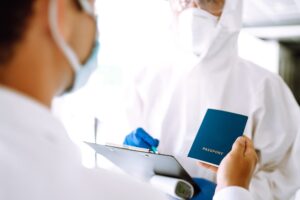
Have a physical exam to check your health and screen for any conditions that might impact immigration admissibility. The civil surgeon measures height and weight, takes vital signs such as blood pressure and pulse, and checks vision and hearing.
These checks can catch concerns requiring follow-up care. You will go over vaccine history again with the clinician and any missing immunizations that fall under the CDC schedule could be offered and given on the spot.
Review current symptoms, chronic illnesses, and ongoing treatments so the surgeon can document pertinent medications and arrange for any further work-up. Skin, nodes, heart, lungs, abdomen, and neurological baseline are routinely included in the exam and findings are recorded directly on Form I-693 and reviewed with you prior to signing.
Laboratory Tests
Provide blood and urine samples as required. Common tests include syphilis and other serological screens mandated by USCIS. TB screening follows CDC guidance.
A blood test or a skin test may be used, and a chest X-ray is ordered if screening or history suggests possible active tuberculosis. Some applicants need additional testing based on age, sex, medical history, or visa class.
For example, pregnant applicants or those on immunosuppressive therapy may get tailored labs. If initial results are unclear, the civil surgeon will give clear instructions for follow-up testing or referrals and will note any pending results on the exam paperwork.
Most labs are completed during the visit or sent out the same day, with results returned to the civil surgeon for final review.
Form I-693 Review
Double check your information and medical data on Form I-693 to ensure it is accurate before signing. Mistakes can cause delays at USCIS.
Have the civil surgeon complete vaccination records, exam results, and any test results. Check that all sections are completed. The form must be sealed in an envelope by the civil surgeon for USCIS to receive.
Request a receipt or quick instructions on where to send the sealed form. Save copies of your ID, vaccination records, and any instructions for your records.
Understanding Costs
Prices for immigration medicals are provider-specific and depend on the service mix and urgency. Here’s a quick breakdown of standard fees and things to verify before you schedule with most top immigration doctors and civil surgeons in Fremont, CA.
- Base exam fee (physical, history, basic paperwork): typically USD 295 to 350.
- Laboratory tests (blood, urine) cost between USD 50 and 100 when itemized and are sometimes included.
- Chest X-ray: USD 75–150 when required.
- Vaccinations: USD 25–200 per dose depending on vaccine type.
- Follow-up visits for inconclusive results cost between USD 40 and USD 100 per visit.
- Replacement or reissue of sealed I-693 envelope costs between USD 30 and USD 50.
- Expedited processing or rapid paperwork turnaround is variable and is often added as a surcharge.
- Possible discounts include cash payments, for example, USD 20 off, and family or group booking discounts.
- Payment plans: Some clinics allow spreading payments over several weeks.
- Typical insurance coverage generally does not cover the base exam fee.
Base Fee
Regular base rates at clinics downtown and near major air and railroad terminals are USD 295 to 350. That cost generally covers the physical exam, basic health screening, and preliminary filling out of Form I-693. Some include basic labs within that base fee, while others itemize labs separately. Clinics will mention if the base fee includes paperwork and sealing, so check this explicitly.
Inquire about discounted rates for kids or group reservations, as many offices provide family discounts or discounted rates for multiple applicants. Cancellation and reschedule policies differ. Some clinics refund the base fee if you cancel with adequate notice, while others retain a portion as an administrative charge.
Extra Services
Service | Typical Cost (USD) |
|---|---|
Basic lab tests (blood/urine) | 50–100 |
Chest X-ray | 75–150 |
Vaccination (per shot) | 25–200 |
Follow-up visit | 40–100 |
Expedited paperwork | variable |
Reissue sealed I-693 | 30–50 |
Clinics can levy fees for supplementary letters, extra sessions or specialist referrals. Rushed form filling might increase turnaround but adds expense. If labs come back abnormal, anticipate follow-up fees and possible additional testing.
Replacing a lost sealed I-693 envelope is typically a small administrative charge; check for exact amount.
Insurance Coverage
Most insurers and Medicare don’t cover the base immigration exam as it’s not medically necessary. Other clinics take specific vaccination or billable plans; look at provider lists and pre-authorization regulations.
Vaccines administered during the exam may be insurance-billable based on your plan; always ask for itemized receipts in order to make claims. Determine what services are going to be out-of-pocket. Anticipate immunization costs and rush fees to fall to you.
Inquire about cash discounts, such as $20 off, and payment plans to distribute expenses over weeks.
After The Exam
The civil surgeon does initial testing and vaccinations at this first visit and normally schedules a second visit to go over lab results and sign the Form I-693. Lab testing typically requires four to five business days. Most applicants complete the I-693 medical exam, lab work, and any necessary vaccination in two visits, although some situations permit a one-visit completion based on existing records or urgent requirements.
Sealed I-693 pickup within 30 days of completion and submission to USCIS or your immigration lawyer will be detailed by the clinic regarding timing and fees. The fee for the exam, which spans both visits, is generally $410 per person at most Fremont civil surgeon offices. An additional sealed copy can be provided during the second visit for a discounted price.
Sealed Envelope
Pick up the completed and sealed Form I-693 envelope right from the clinic or doctor. Do not open the sealed envelope, as any tampering will void the medical exam and delay immigration processing.
Mail the envelope to USCIS or take it to your immigration interview as directed, and check if your attorney would rather submit it directly for you. Ask for a duplicate copy of the medical report for your own records, if they allow it. Get this before the envelope is sealed and inquire with the clinic regarding the reduced fee for a second sealed original at pickup.
Follow-Up Care
Make your second visit an appointment so that the civil surgeon can look over lab testing that takes about four to five working days. Abnormal test results can indicate the need for further action. The clinic will indicate next steps like further blood tests, chest X-rays, or referrals.
Update any vaccinations as recommended by the civil surgeon and maintain the immunization record. Contact the clinic right away for delays in receiving the sealed I-693 or if you need to rush pickup for appointment deadlines. Record fees and get receipts for every visit for your immigration file.
If tests indicate problems, complete treatment and receive clearance or documentation that it’s controlled prior to submitting I-693. Clinics usually give you very specific timing for follow up shots or retesting.
Record Keeping
Keep copies of your vaccination card, immunization, and medical reports—both digital scans and paper—in a safe place. Record your civil surgeon’s contact details, clinic address, and hours of operation for rapid access should questions come up post-submission.
Add any new vaccines or medical findings from the exam to your personal health records and keep evidence of exam fee payment and appointment receipts for your immigration file. These letters assist in clearing questions and demonstrating prompt action.
Conclusion
You chose the right subject. Defined steps to a fast, efficient, legitimate medical exam. Select a civil surgeon with positive reviews, transparent fees and reliable availability. Bring your forms, records, and ID. Come rested and come honest. The exam looks at vision, hearing, immunizations and routine labs. Anticipate simple findings and a stamped report for USCIS. If you require a speedier route, inquire about same-week openings, online form processing, or combination vaccine packages. For families, schedule back-to-back slots to minimize time spent traveling. For tight budgets, shop around clinic quotes and inquire about payment plans. Locate a clinic nearby Fremont with good reviews and hours that fit your work. Schedule your exam today to keep your case on track.
Frequently Asked Questions
What does a civil surgeon do for immigration in Fremont, CA?
A civil surgeon conducts the mandatory medical examination for U.S. Immigration paperwork. They verify immunizations, test for communicable diseases, and fill out Form I-693. This exam confirms health requirements for green card holders.
How do I find a qualified civil surgeon in Fremont?
Look up USCIS’s civil surgeon directory, local clinic sites, or consult immigration lawyers. Make sure the surgeon is USCIS designated and familiar with I-693 forms and vaccine records.
What documents should I bring to my civil surgeon appointment?
Make sure you bring your passport or ID, vaccination records, any old medical records, medications, and your USCIS appointment notice if applicable. This accelerates the exam and keeps accurate records.
How long does the immigration medical exam take?
Anticipate the exam will last 30 to 60 minutes. Complicated cases and missing vaccine records might take a bit longer or require a follow up appointment.
How much does the civil surgeon exam cost in Fremont?
Each clinic charges different rates. They usually cost somewhere around $100 to $400. Have clinics provide an itemized price list for the exam, vaccines, chest x-ray, and lab tests before you book.
Can I get vaccinated at the civil surgeon visit?
Yes. Civil surgeons are able to administer necessary vaccines at the appointment. If vaccines are absent, you can get them that day or be requested to come back for follow-up doses.
What happens after the civil surgeon completes Form I-693?
The surgeon closes up form I-693 in a sealed envelope if needed. Present it to USCIS according to their directions or at your immigration interview. Retain copies for your own record.